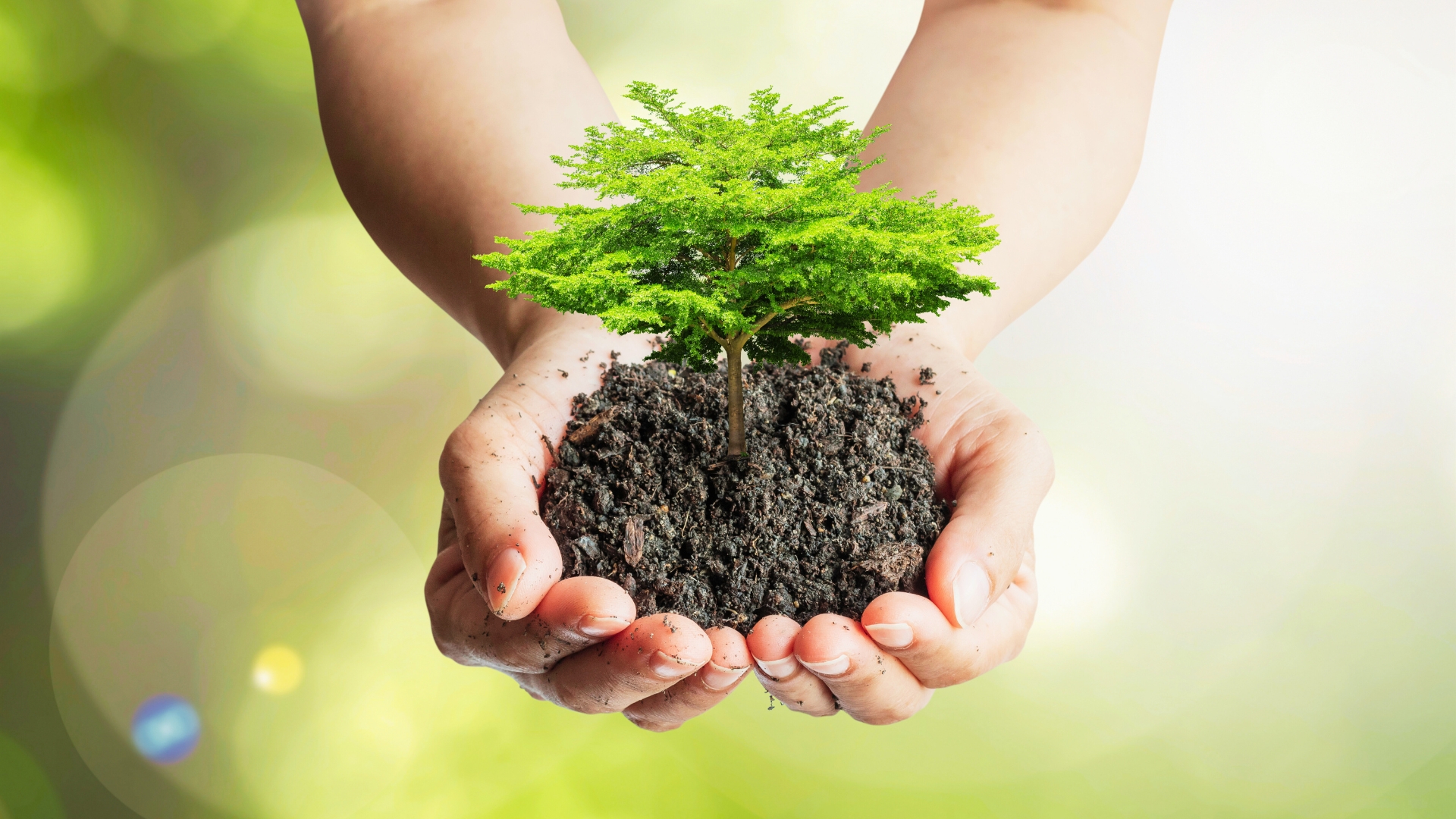
When we talk about the world’s most precious resources, soil rarely makes the list. It sits quietly beneath us, taken for granted until a drought hits, a harvest fails, or a landscape that once sustained communities can no longer do so. World Soil Day, recognized every 5 December through UN General Assembly Resolution A/RES/68/232, invites us to pause and reconsider this silent partner in human survival.
For those working in the nonprofit and development sectors, soil is not an abstract environmental theme. It is the living foundation of every farmer’s field, every forest we aim to restore, and every community whose resilience we hope to strengthen. And today, that foundation is in trouble.
A Crisis Hidden in Plain Sight
Despite the critical role soil plays, it is disappearing and degrading faster than many realize. Scientists estimate that over one-third of the world’s soils are already degraded, eroding through unsustainable land use, pollution, nutrient depletion, and extreme weather events. Each year, we lose millions of hectares that once nourished crops, provided clean water, and stored carbon.
Behind these numbers are people. Farmers who watch their once-fertile land fade into dust—families whose food security becomes more uncertain with each failed harvest. Young people are leaving their communities because the land no longer sustains them.
This is not just an environmental issue. It is a human story unfolding across continents.
Why Soil Health Is a Development Imperative
Healthy soil does more than grow food. It regulates water, stores carbon, supports biodiversity, and anchors livelihoods. In many ways, soil is the first line of defense against climate shocks.
Yet it is also where vulnerabilities hit hardest. In regions like Sub-Saharan Africa, degraded soils already contribute to yield losses of up to 30 percent, pushing farmers deeper into cycles of precariousness. The irony is stark: the very people who rely most on soil’s productivity are often those with the fewest resources to restore it.
For NGOs and development leaders, this reality reshapes the conversation. Soil health cannot remain a technical footnote in agricultural programs. It is a key determinant of whether communities can adapt to climate change, whether food systems remain stable, and whether rural economies can sustain themselves over the next decade.
Finding Hope in Restoration
The encouraging news is that soils can recover. Regenerative agriculture, agroforestry, composting, sustainable irrigation, and community-led land restoration all demonstrate that the path to healthier soils is not only possible but already underway in many places.
What remains is scale and commitment.
Development organizations are uniquely positioned to support that commitment: by strengthening local governance of land, advocating for policies that promote sustainable practices, channeling climate finance to community actors, and amplifying the voices of farmers who already understand what their soil needs.
A Moment to Reaffirm Our Responsibilities
World Soil Day is a reminder that the future of food, climate action, and human wellbeing is literally grounded in the soil beneath us. When we neglect it, we risk undermining the very goals we set as a global development community. When we protect it, we safeguard countless lives and livelihoods.
As we reflect on this day, the question becomes simple: What future do we choose to create?
If we choose one rooted in resilience, dignity, and shared prosperity, then soil health must stand at the center—not the margins—of our collective action.
Source: