Most of the people, especially in the rural areas, depend on agriculture as one of the major sources of livelihood.
Conventional farming is less expensive compared to organic farming.
Traditional farming consumes large amounts of freshwater and pesticides.
Precision agriculture was developed to improve sustainability.
CEMA presents farming innovations in a 4-step crop growth cycle:
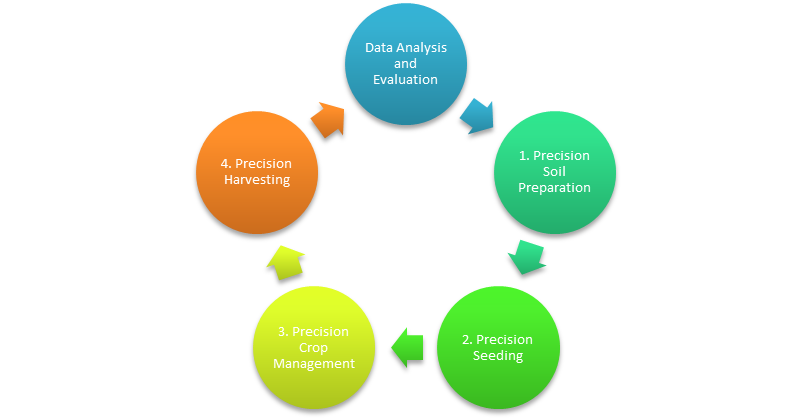
Below are the top technologies shaping precision agriculture:
- GPS/GNSS
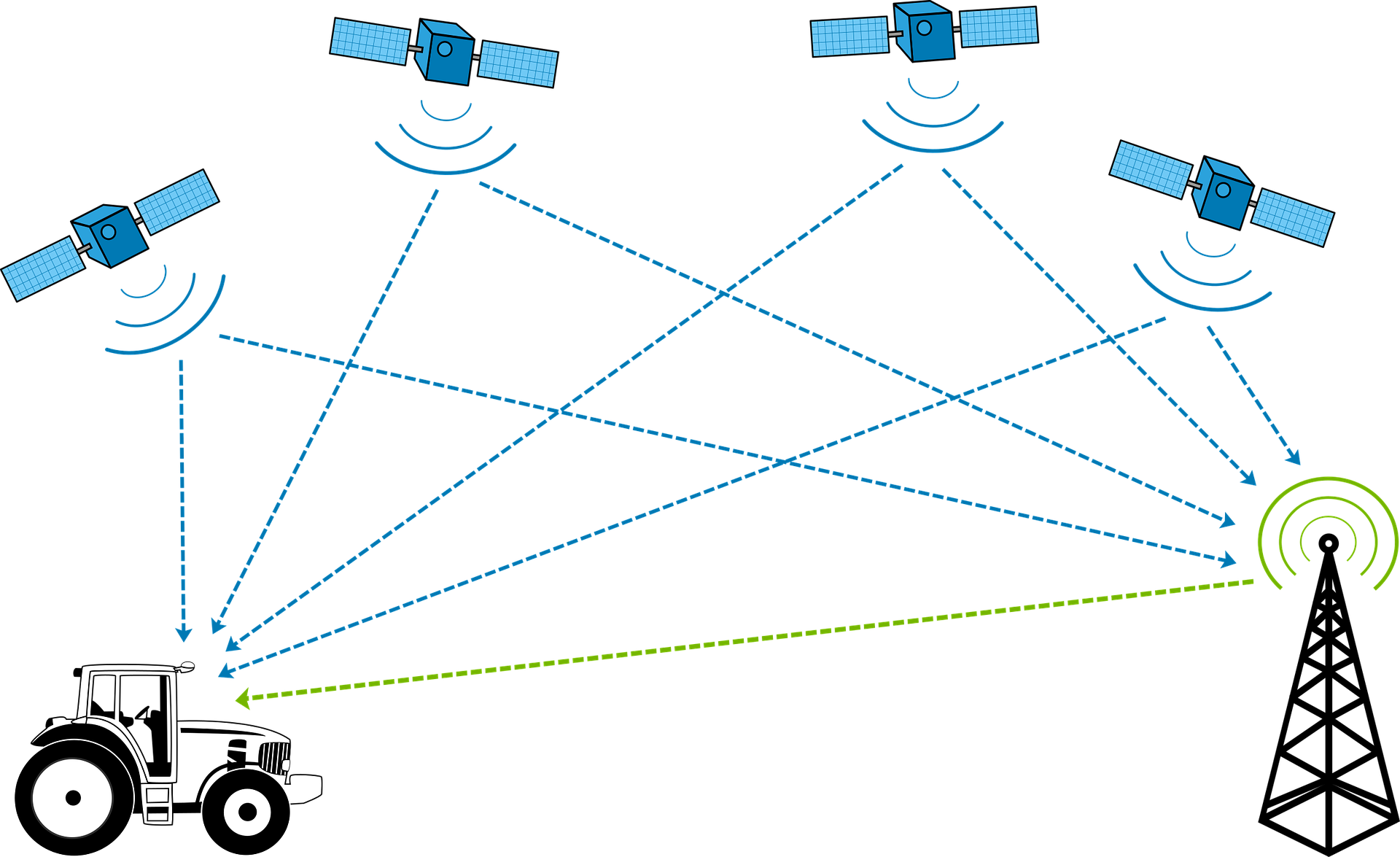
Photo by Pixabay
GPS technology improves field accuracy and efficiency.
- Mobile Devices

Photo by Pixabay
Mobile devices provide real-time agricultural data.
- Robotics

Photo by Pixabay
Robots assist farmers in planting and harvesting.
- Irrigation

Photo by Pixabay
Smart irrigation systems conserve water.
- Internet of Things (IoT)

Photo by Pixabay
IoT connects farm equipment and sensors.
- Sensors
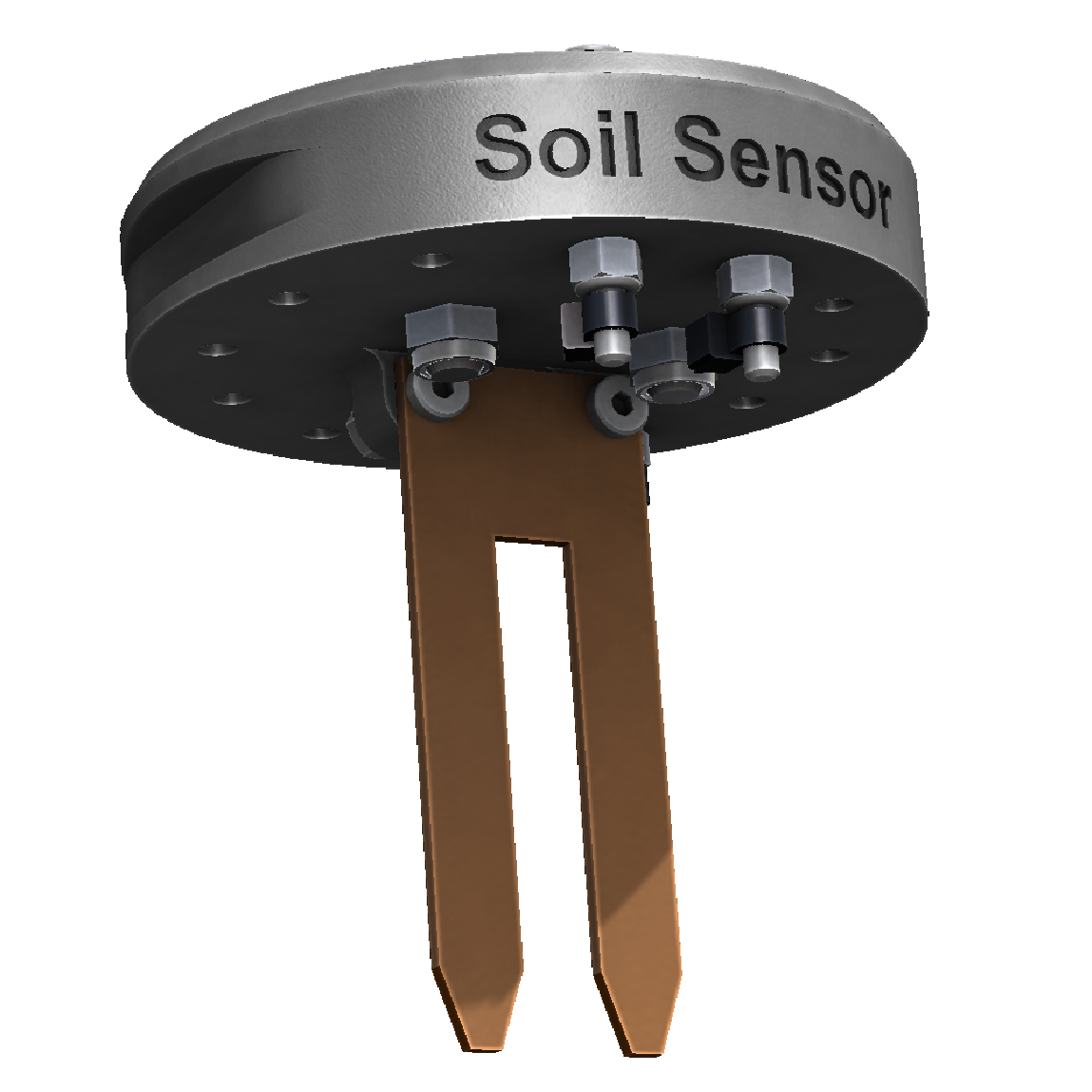
Photo from Wikipedia Commons
Sensors collect soil and climate data.
- Variable Rate Seeding
VRA adjusts seeding based on soil conditions.
Sid Parks explains its role in yield optimization.
- Weather Modelling
Weather modeling predicts temperature and rainfall.
ClearAg enables remote monitoring.
- Nitrogen Modelling
Nitrogen modeling improves fertilizer efficiency.
Adapt-N minimizes waste.
- Standardization
Standardization ensures equipment compatibility.
It supports system integration.
Precision agriculture enables smarter decisions.
Technology will help feed the growing population sustainably.