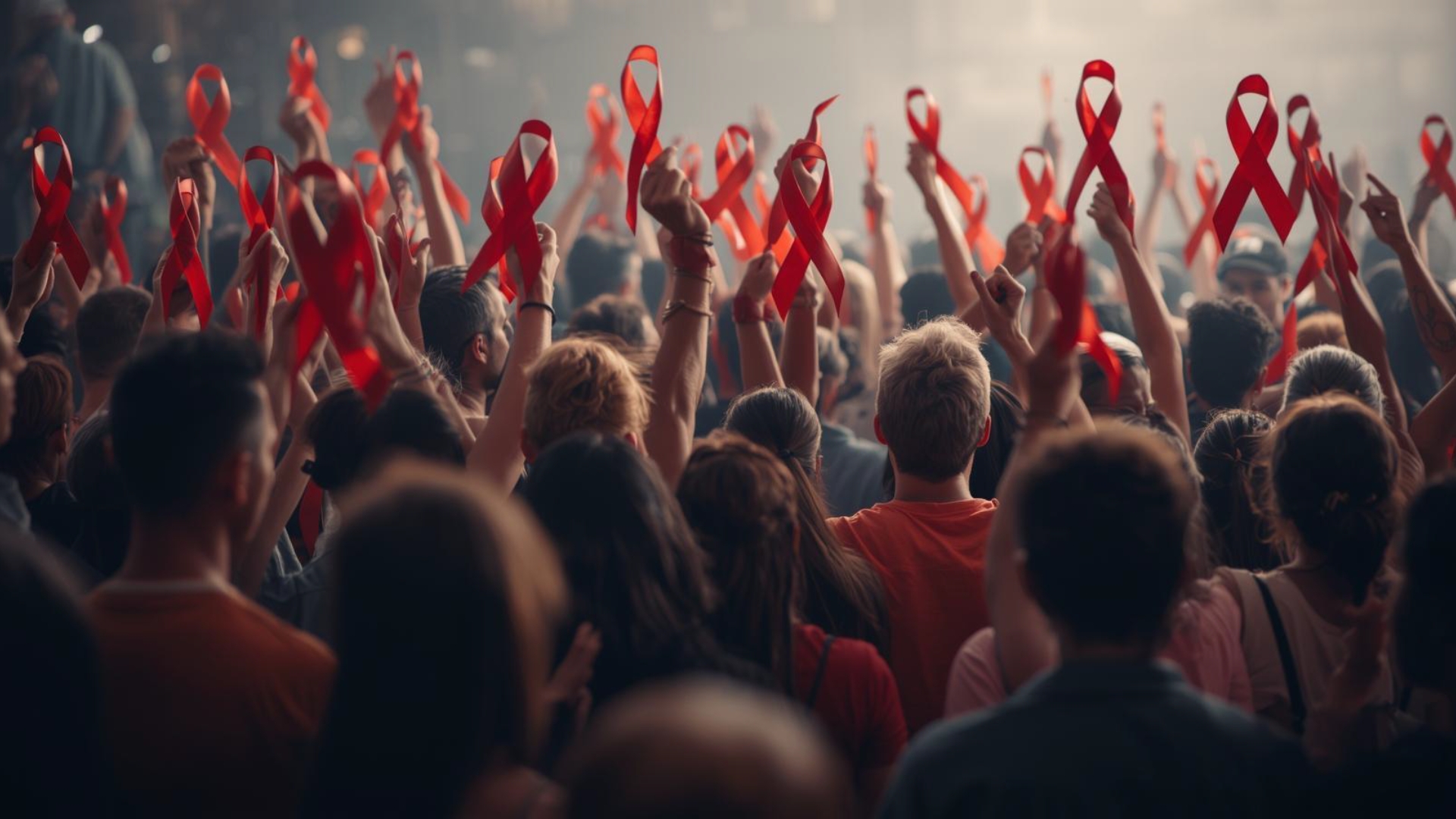
On 25 November, the world observes the International Day for the Elimination of Violence against Women, established by UN General Assembly Resolution A/RES/54/134 on 17 December 1999. This day is more than a symbolic gesture. For the international development and NGO community, it is a call to action. It demands strategic leadership, accountability, and collaboration to confront one of the most entrenched human rights crises of our time.
The Scale of the Crisis: A Sobering Reality
The numbers are staggering. Despite decades of advocacy, violence against women remains pervasive. A landmark report by the World Health Organization (WHO) and UN partners estimates that 840 million women globally, nearly one in three, have experienced intimate partner or sexual violence in their lifetime.
In the past year, 316 million women (11%) aged 15 and older were subjected to physical or sexual violence by an intimate partner. Progress has been painfully slow, with only a 0.2% annual decline over the past two decades.
For the first time, the report also provides global estimates of non-partner sexual violence. It reveals that 263 million women have experienced sexual violence since age 15 by someone other than a partner. Experts note that these figures are likely underreported due to stigma and barriers to disclosure.
These statistics paint a stark picture. Violence against women remains “one of the world’s most persistent and under-addressed human rights crises,” according to WHO.
Why This Matters for the Nonprofit Sector
The implications for NGOs and global development stakeholders are clear. Action is urgent:
- Policy and Advocacy Urgency: Stronger laws, national action plans, and accountability mechanisms are critical. States must not only legislate but also invest in prevention and survivor-centered services.
- Evidence-Driven Programming: Interventions must be grounded in the latest data. Programs should leverage proven models, such as the WHO’s RESPECT women framework, to address root causes, improve access to services, and build enabling environments.
- Funding and Resourcing Gap: Funding remains limited. In 2022, only 0.2% of global development aid was allocated to violence prevention programs. This figure has declined further as priorities shift.
- Data Infrastructure: Gaps in data collection persist, especially for marginalized groups such as indigenous populations, displaced women, and those affected by conflict or climate crises. Strengthening data systems is essential for effective interventions.
- Accountability and Leadership: NGOs play a pivotal role in mobilizing political commitment, securing sustainable financing, and advocating for accountability at national and global levels.
A Call to Strategic Action
As the sector observes the International Day for the Elimination of Violence against Women, the focus must be bigger than commemoration: this is a call to accelerate collective action.
- Mobilize Across Sectors: Collaborate with governments, multilateral agencies, community-based organizations, and the private sector to deliver integrated prevention, protection, and empowerment interventions.
- Invest in Scale: Use the focus generated by this day to scale up evidence-based programs, particularly in high-risk and under-resourced regions.
- Measure and Demonstrate Impact: Embed rigorous monitoring and evaluation to refine and replicate effective interventions.
- Champion Accountability: Hold institutions, both governmental and non-governmental, responsible for their commitments, from action plans to funding allocations.
Conclusion
Violence against women is not only a moral and legal concern. It is a development, health, and societal imperative. WHO’s latest data presents a clear mandate. The international NGO community must elevate its ambition, recalibrate its strategies, and accelerate its investments. Acting on this day means more than raising awareness. It means leading with rigor, scale, and purpose. It means creating a future where violence against women is no longer tolerated.
Article Sources:
- WHO News Release, Lifetime toll: 840 million women faced partner or sexual violence (19 Nov 2025)
- UN Women, 16 Days of Activism Concept Note (2024)
- UN Observances page, International Day for the Elimination of Violence against Women