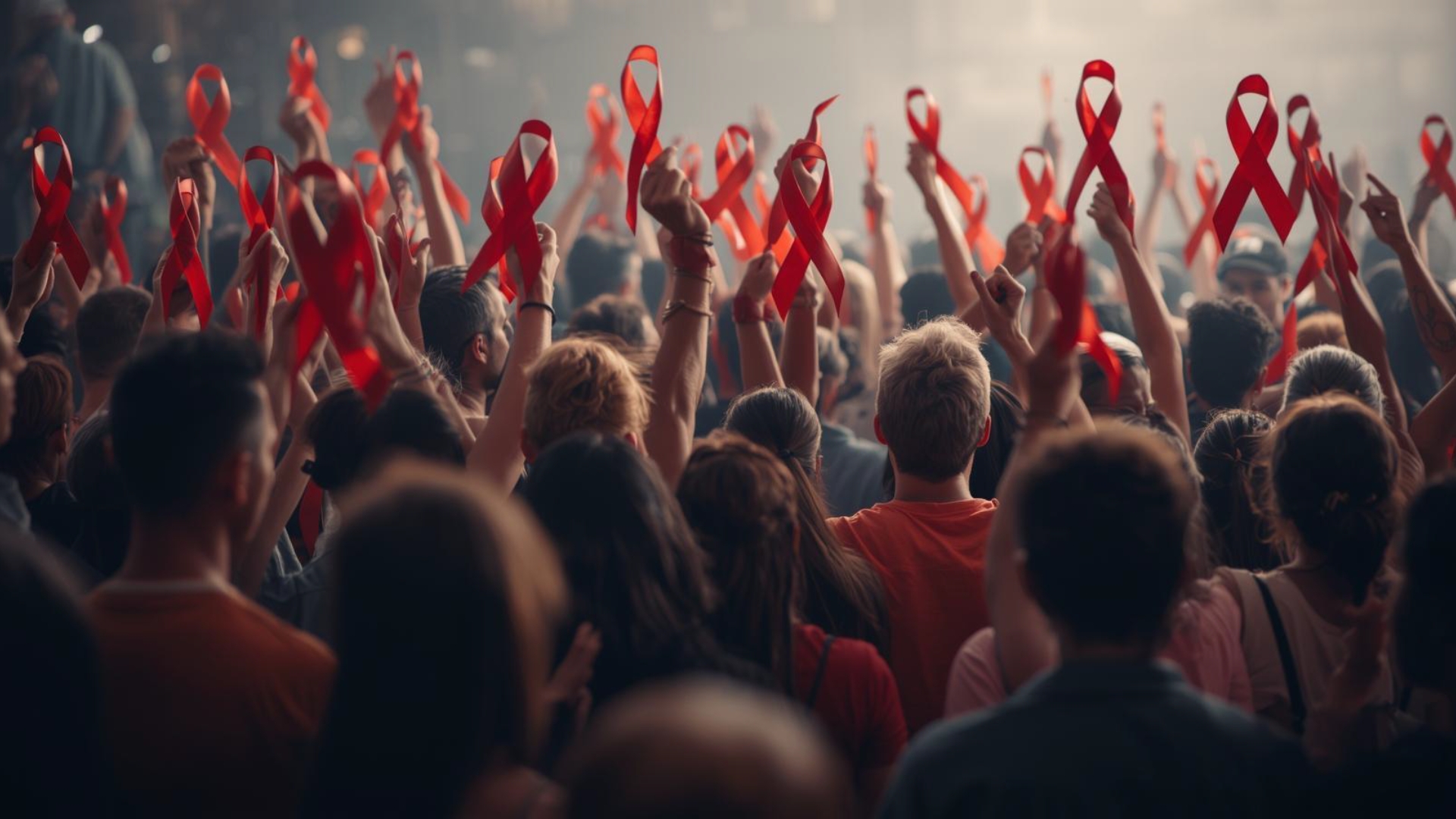
Corruption may sometimes feel abstract, buried in financial reports or legal documents, but its impact is anything but remote. It erodes public trust, destabilizes institutions, and undermines development efforts. Recognizing this, the United Nations General Assembly designated 9 December as International Anti-Corruption Day through resolution A/RES/58/4, creating a global moment to raise awareness, advocate for transparency, and promote ethical governance. This initiative, in conjunction with the United Nations Convention against Corruption (UNCAC), underscores that corruption is not only a legal issue but also a societal one.
The day is more than a symbolic gesture. It is a call to action for governments, civil society, and NGOs alike. Ignoring corruption is not neutral — it risks derailing programs, undermining trust, and reducing their impact, especially in sectors such as rural development, food security, climate-smart agriculture, and humanitarian aid.
Why the NGO Sector Must Not Look Away
Corruption doesn’t only affect high-level politics. It erodes social institutions, distorts resource allocation, undermines development outcomes, and penalizes the most vulnerable. For NGOs working in areas such as rural development, food security, climate-smart agriculture, humanitarian assistance, and governance, corruption can undermine even the best-intentioned programs — diverting funds, eroding credibility, and damaging community trust.
Ignoring corruption isn’t a neutral stance; it risks impacting the mission, legitimacy, and long-term sustainability. NGOs, with their grassroots presence and often cross-sectoral engagement, are uniquely positioned to detect, resist, and help redress corrupt practices.
Corruption Knows No Borders
Recent global events underscore the need to combat corruption. From Asia to Africa, Europe to the broader international community, corruption continues to disrupt governance, impede development, and galvanize citizen action.
In Asia, the Philippines saw massive protests in 2025 over alleged corruption in flood-control infrastructure projects, where hundreds of billions of pesos reportedly vanished into ghost or substandard initiatives. Youth coalitions, civil society organizations, and religious groups mobilized nationwide to demand accountability and transparency. Nepal experienced a similarly dramatic moment when young protesters rose in September 2025 against widespread corruption and nepotism, leading to clashes with security forces, dozens of deaths, hundreds of injuries, and ultimately the resignation of the Prime Minister. Meanwhile, Indonesia witnessed protests in August 2025 after revelations that hundreds of parliament members were receiving excessive housing allowances, with some demonstrators targeting lawmakers’ residences to call for reform.
In Europe, corruption cases illustrate that even countries with robust institutions are not immune. In Switzerland, courts convicted the trading giant Trafigura and its former COO in January 2025 for bribing an Angolan official to secure oil contracts from 2009 to 2011, imposing fines and prison sentences. The Czech Republic faced a major scandal at Motol University Hospital involving misuse of EU structural funds, bribery, and potential money laundering, with contracts worth over CZK 4 billion (~€150 million) implicated. Spain also faced corruption allegations tied to public works contracts in 2025, prompting a 15-point government action plan that emphasized auditing, whistleblower protections, and enforcement measures.
In Africa, South Africa’s investigations during 2024–2025 revealed alleged corruption totaling USD 7 billion across state-owned enterprises, including those in transport, defense, energy, the national airline, and lottery commissions—the allegations centered on procurement irregularities, conflicts of interest, and mismanagement.
Globally, corruption threatens climate-finance initiatives. A 2025 watchdog report highlighted that mismanagement in procurement and financing could undermine climate adaptation and mitigation projects, particularly in vulnerable countries that rely heavily on external aid.
The Role of NGOs and Civil Society
The global reach of corruption demands that NGOs embed integrity as a core principle. Programs should integrate transparent procurement, independent audits, community feedback mechanisms, and oversight structures. International Anti-Corruption Day offers NGOs an opportunity to engage stakeholders — including staff, donors, partners, and communities — in discussions about ethics, accountability, and transparency.
NGOs should also advocate for institutional reforms, including increased transparency in public procurement, robust legal protections for whistleblowers, and effective civic oversight. Collaborations across sectors are crucial for fostering integrity in public works, climate finance, social protection, and humanitarian aid. Importantly, supporting youth leadership in advocacy and oversight is vital, as demonstrated by recent protests in Asia where young citizens catalyzed systemic attention to corruption.
Conclusion: Integrity as the Foundation for Lasting Development
Global challenges, including climate shocks, inequality, food insecurity, and fragile governance, are interconnected. Corruption is not marginal; it amplifies harm and blocks progress.
For NGOs and civil society, integrity is non-negotiable. Embedding transparency, accountability, and ethical practices ensures resources reach the most vulnerable, builds community trust, and strengthens resilience. International Anti-Corruption Day should remind us that how we make is as important as what we create.
Source Articles
- Philippines: Youth rising against corruption
- Nepal: Young anti-corruption protesters oust PM Oli
- Indonesia: Police clash with students over lawmakers’ salaries
- Switzerland / Angola: Trafigura bribery case
- Czech Republic: Motol Hospital bribery scandal
- Spain: Government anti-corruption action plan
- South Africa: $7B corruption in state-owned enterprises
- Global: Corruption threatens climate-finance